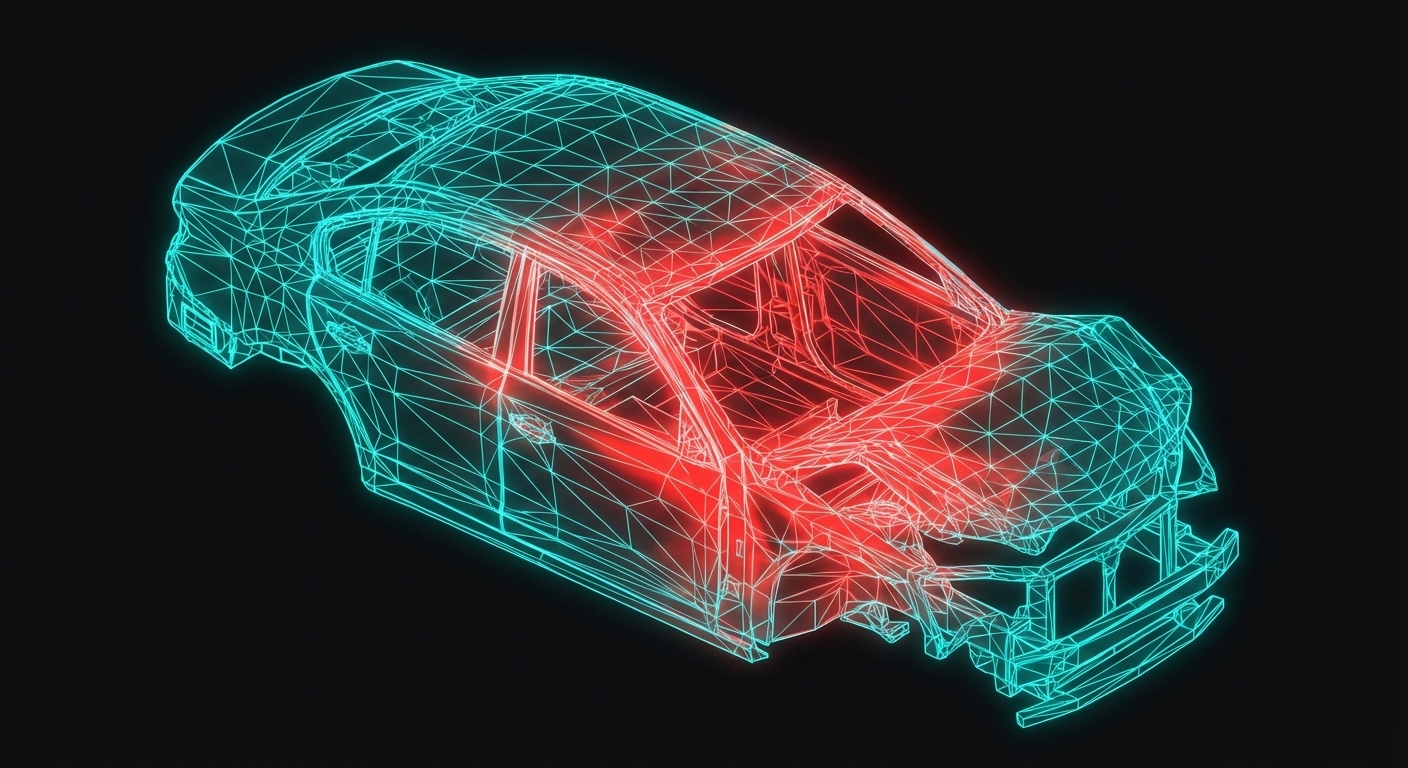
Introduction to Injection Molding
What is Injection Molding?
Injection molding is a manufacturing process that produces parts by injecting molten plastic into a mold cavity under high pressure. Once the plastic cools and solidifies, the mold opens and the part is ejected.It's the most widely used plastic manufacturing process in the world—responsible for producing everything from automotive dashboards to medical syringes to smartphone cases.
Why Injection Molding Dominates
| Advantage | Description |
|---|---|
| High Volume | Cycle times of 10-60 seconds enable millions of parts per year |
| Precision | Tolerances of ±0.1 mm achievable routinely |
| Complexity | Intricate geometries, undercuts, and features in one shot |
| Material Range | 25,000+ thermoplastic grades available |
| Low Labor | Highly automated process |
| Repeatability | Part-to-part consistency >99.9% |
Industry Applications
Automotive (~35% of all injection molded parts)
- Interior trim panels and dashboards
- Bumper fascias and grilles
- Under-hood components (intake manifolds, reservoirs)
- Electrical connectors and housings
- EV battery housings and covers
Consumer Electronics (~20%)
- Smartphone cases and bezels
- Laptop housings
- TV frames and stands
- Appliance components
Medical (~15%)
- Syringes and IV components
- Diagnostic device housings
- Surgical instrument handles
- Drug delivery systems
Packaging (~15%)
- Bottle caps and closures
- Thin-wall containers
- Cosmetic packaging
The Basic Process
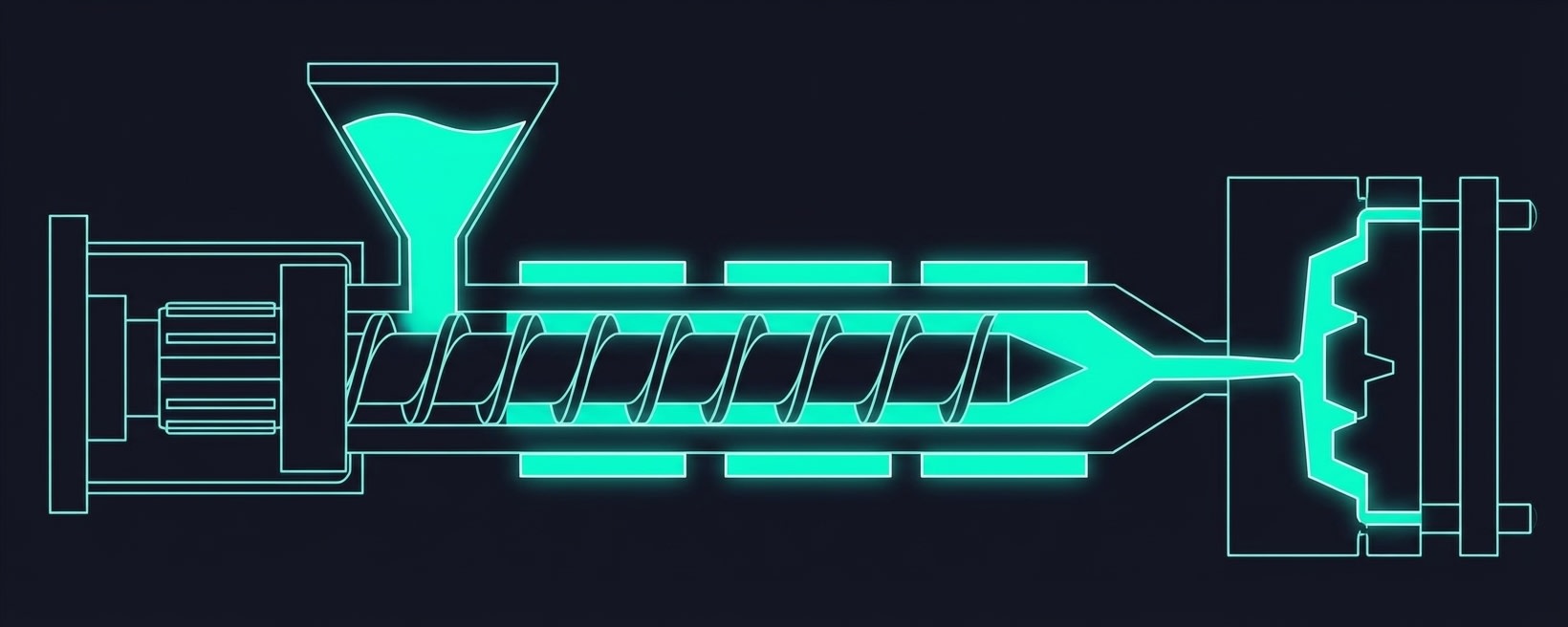
- Plastic pellets are fed from a hopper into a heated barrel
- A reciprocating screw melts and homogenizes the material
- The molten plastic is injected into a closed mold cavity
- The part cools and solidifies inside the mold
- The mold opens and the part is ejected
- The cycle repeats
Typical cycle times range from 15 seconds for thin-wall packaging to 60+ seconds for thick automotive parts.
Brief History
1872 — First Patent
John Wesley Hyatt patents the first injection molding machine for celluloid (billiard balls).
3,000+ engineers placed at Mahindra, Bosch, TATA ELXSI
Including Continental, Capgemini, Ola Electric & 500+ more companies
1946 — Reciprocating Screw
James Hendry invents the screw injection machine, enabling better material mixing and control.
1970s — Computer Control
Introduction of microprocessors enables precise process control and repeatability.
1990s — Hot Runners
Hot runner systems eliminate runners, reducing material waste by 10-30%.
Gaurav Jadhav is now a CAE Engineer
Practical projects and mock interviews made the difference
2000s — All-Electric Machines
Electric servo-driven machines offer precision, energy savings (30-50%), and cleanliness.
2010s — Industry 4.0
Real-time monitoring, predictive maintenance, and AI-driven process optimization.